
Does Your Boss Inspire or Alienate? The Hidden Role of Your Worldview
Leadership Through Different Lenses
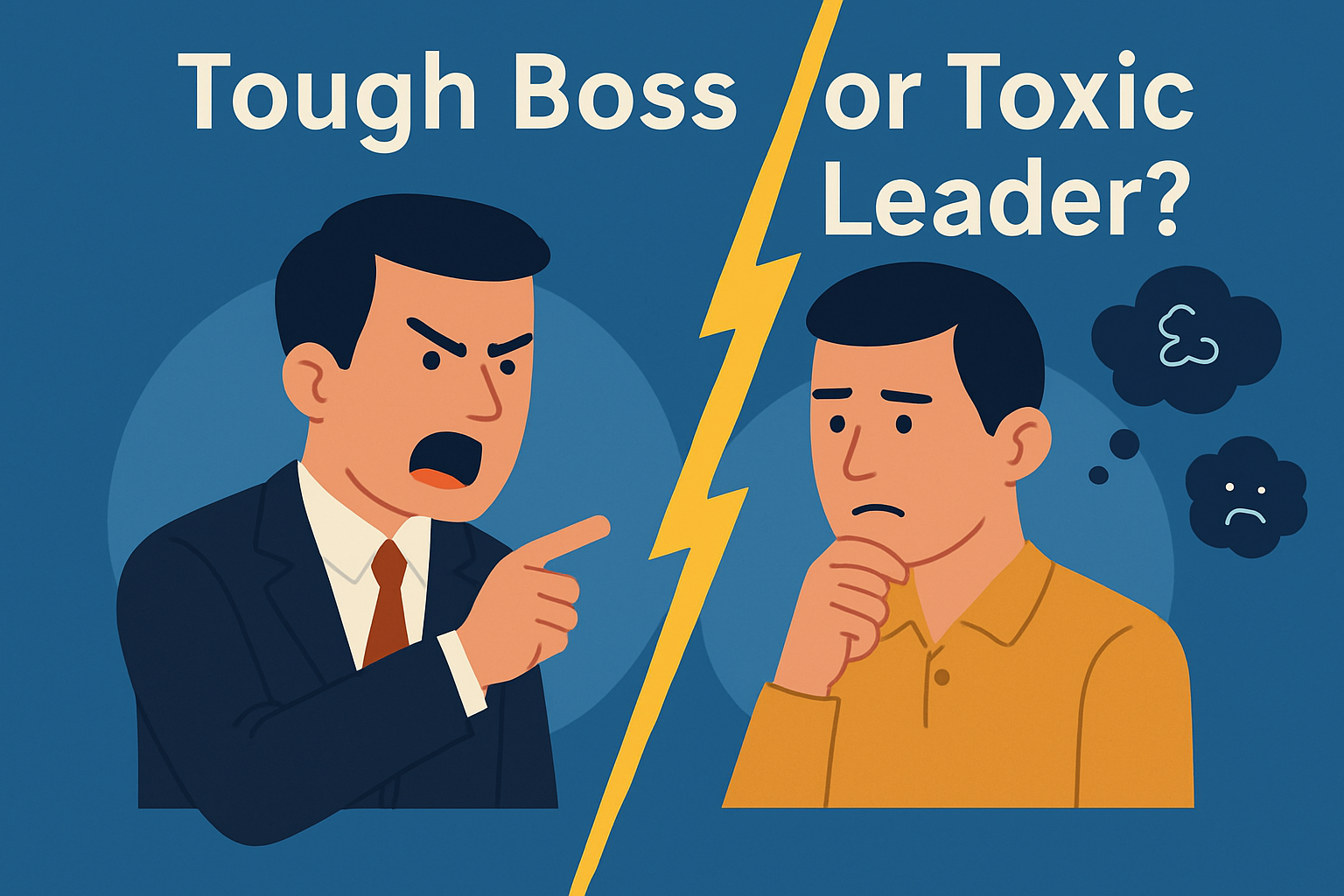
Have you ever noticed that the same leader can inspire admiration in some people while provoking discomfort or frustration in others? Perhaps you’ve encountered a boss who is blunt, direct, or even harsh in their feedback. Some colleagues might describe this boss as strong, decisive, or highly effective. Others might see the same person as abrasive, insensitive, or simply rude. Why do reactions vary so dramatically?
Recent psychological research by Christine Nguyen and Daniel Ames (2025) from Columbia University sheds important light on this phenomenon. Their studies suggest that our individual worldviews play a crucial role in how we interpret and judge leadership behaviors.
Introducing the Competitive Worldview
Nguyen and Ames introduce the concept of the Competitive Worldview (CWV), which describes the extent to which individuals believe the social world is fundamentally a competitive arena—a “jungle” where only the strong and aggressive can succeed. People with high CWV view competition, toughness, and even aggression as necessary and effective strategies to navigate the world successfully. Conversely, individuals with low CWV see the social world as cooperative, supportive, and collaborative, believing kindness and empathy are keys to effective leadership.
Key Research Findings
In their extensive research involving over 2,000 participants, Nguyen and Ames conducted seven studies to explore how CWV affects perceptions of leadership:
- Antagonistic Behaviors Are Evaluated Differently: Individuals high in CWV consistently rated harsh behaviors—such as blunt criticism, intimidation, or making ultimatums—as more effective and indicative of competence. In contrast, people with low CWV saw these same behaviors as ineffective and inappropriate.
- Perception of Successful Leaders: High CWV participants believed successful CEOs and managers must have used tough tactics to achieve their success, reinforcing their worldview. Low CWV participants assumed success was achieved through collaboration and positive interpersonal skills.
- Real-World Workplace Satisfaction: Interestingly, the researchers found that high CWV employees often reported greater satisfaction and motivation when working under antagonistic managers compared to low CWV employees. The latter group reported feelings of dissatisfaction, stress, and a desire to leave their job.
- The Cultural Reinforcement Loop: The study also uncovered a tendency for teams to self-select based on shared worldviews. Over time, antagonistic leaders tend to attract and retain employees who share their competitive worldview, creating a reinforcing echo chamber.
Important Limitation or Consideration
An important consideration of this research is that it focuses exclusively on perceptions of leadership effectiveness and does not measure the actual outcomes or performance effects of antagonistic leadership behaviors. While some individuals perceive aggressive behaviors as effective, this research does not provide evidence about whether these behaviors genuinely enhance organizational performance, productivity, or employee wellbeing.
Why Does This Matter?
Understanding the role of worldview helps explain why the same leadership style can lead to wildly different outcomes among employees. Leaders who aren’t aware of these differences might inadvertently foster an environment that alienates talented employees who value collaboration and emotional intelligence.
From an organizational perspective, relying too heavily on antagonistic styles can lead to a narrowing of perspectives and a less diverse workplace. It might also cause increased turnover among employees whose values don’t align with an aggressive culture.
Practical Takeaways for Leaders and Employees
- Awareness is Crucial: Leaders should be aware of their own leadership style and how it might be interpreted differently by their team members.
- Balance is Key: While assertiveness and directness can be effective, balancing these traits with empathy, clarity, and collaborative communication creates a more inclusive workplace.
- Avoiding Echo Chambers: Organizations should actively encourage a diverse range of perspectives and styles to foster innovation and employee satisfaction.
- Cultural Intentionality: Leaders can actively shape workplace culture by clearly defining values around teamwork, respect, and psychological safety.
Conclusion
Leadership isn’t a one-size-fits-all concept. Nguyen and Ames’ research highlights how deeply personal beliefs shape our perceptions of leadership effectiveness. The way we respond to a leader’s style may reveal just as much about us as it does about them.
As you reflect on your own experiences in the workplace or the world, consider the following: How do you personally define effective leadership? Do you respond better to directness and control, or to empathy and collaboration? Are your preferences shaped by a belief that the workplace (country or world?) is a competitive battleground—or a shared space for cooperation?
By becoming aware of your own worldview and leadership preferences, you can make more informed decisions about the cultures you want to be part of, the leaders you support, and the kind of leadership style you wish to cultivate—whether as an employee, a team member, or a leader yourself.
Reference
Nguyen, C. Q., & Ames, D. R. (2025). Savvy or savage? How worldviews shape appraisals of antagonistic leaders. Journal of Personality and Social Psychology. https://doi.org/10.1037/pspa0000456
Read our related article: How to Recognize Toxic Leadership and Protect Your Wellbeing
Image created by ChatGPT